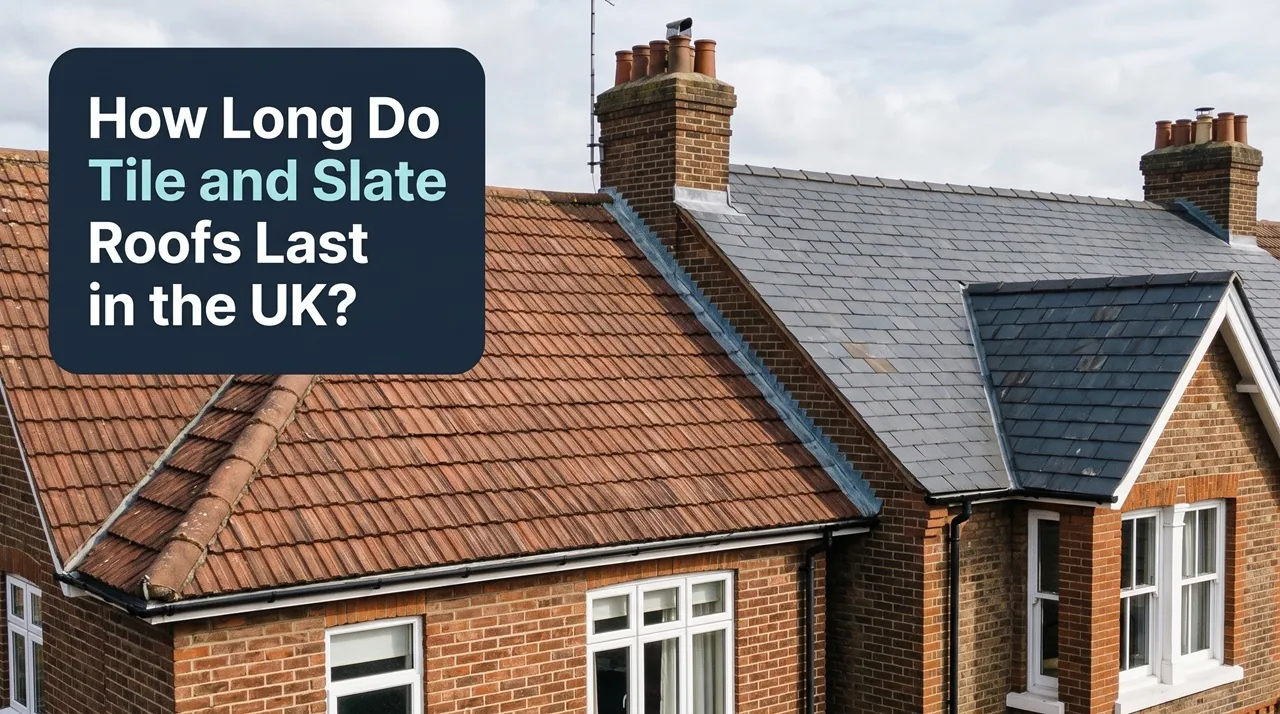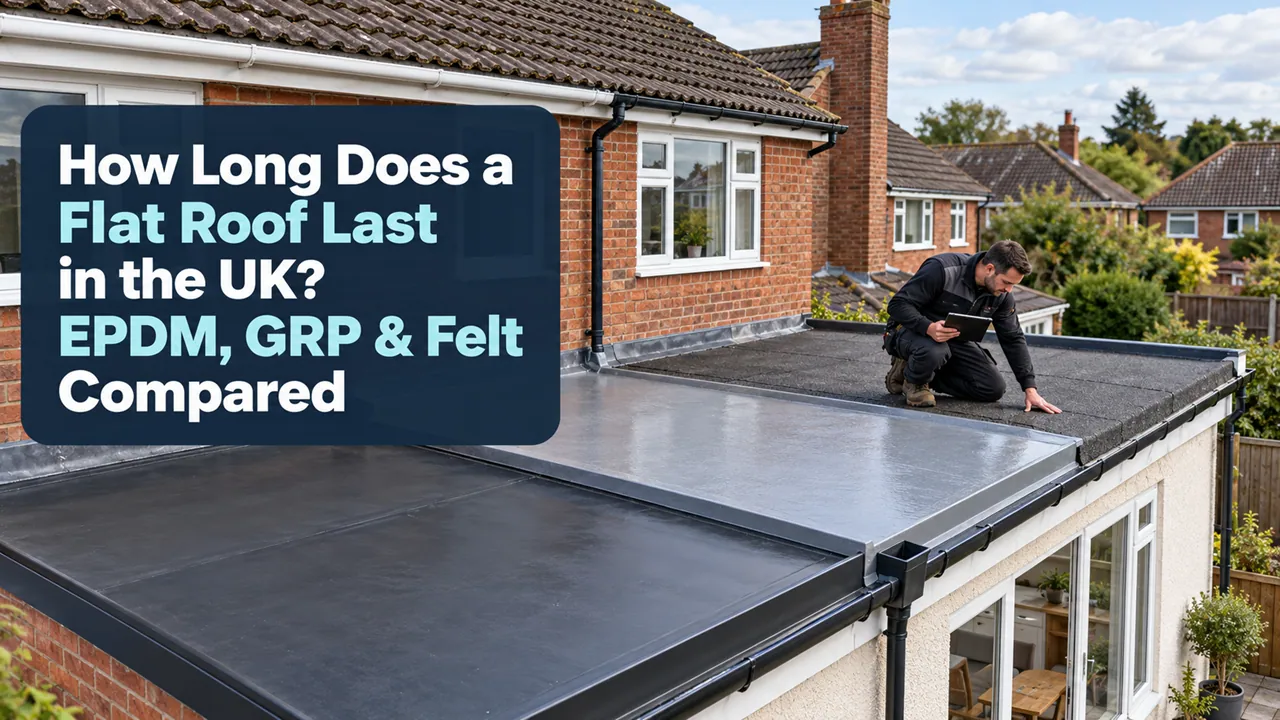
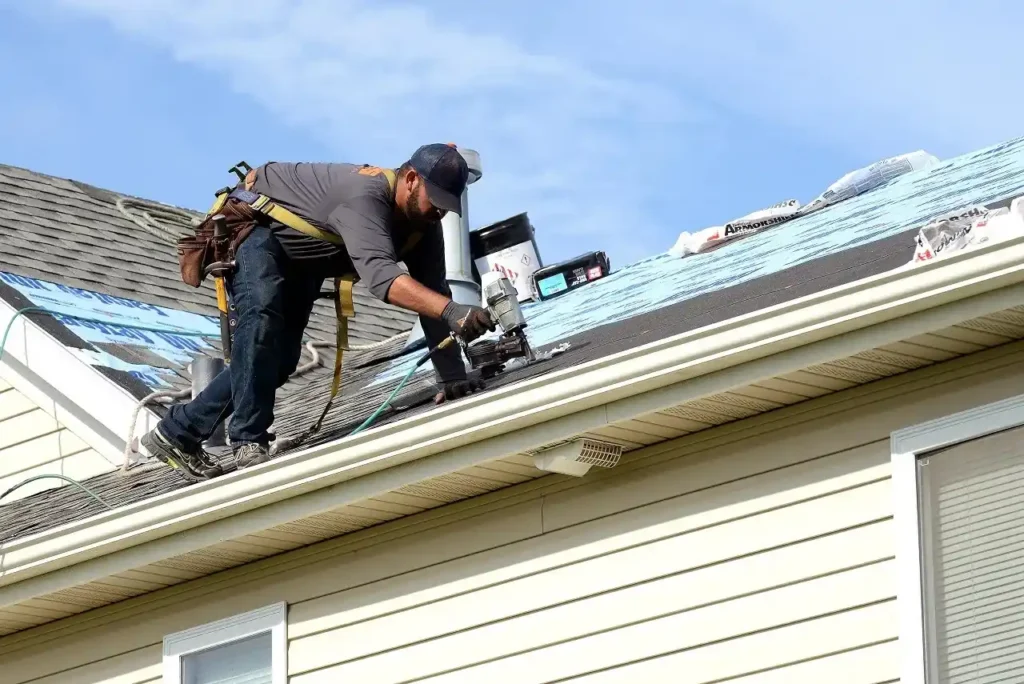
For a standard UK semi-detached home, the physical roof replacement takes 3 to 5 working days. However, the total project timeline is approximately 3 to 4 weeks when including scaffolding erection, material lead times, and required building control notifications.
Most homeowners notice a damp patch on the ceiling in November and expect a Roofing Services Bournemouth team to have the house sealed up by teatime. I have seen this optimism firsthand, and frankly, I used to share it until a “simple” terraced project in Boscombe taught me a four-day lesson in structural integrity. The truth is that while a local roofer Bournemouth might quote a “two-day turnaround,” they often forget to mention the scaffolding logistics and underlayment checks that precede the first new tile.
If you are looking for a realistic timeline, you must consider the structural condition, not just the square footage. For a standard semi-detached house, you are looking at 3 to 5 days of actual site work, but the total journey often spans several weeks when you factor in material lead times and building control notices. This discrepancy exists because of invisible variables like rotten rafters, unstable chimney stacks, or the specific curing time required for liquid-applied membranes.
How Long Is the Pre-Installation Phase for A Roof?
Before any roofing contractors Bournemouth can strip a single slate, you are in the preparation phase. This is where most residential delays occur. I once watched a project at ClearFoam Roof & Insulation pause for a week because a previous owner had botched a loft conversion, leaving the load-bearing walls unsupported. You should budget at least 10 days for a qualified surveyor to assess your roof pitch and for the scaffolding team to secure the perimeter.
The Diagnostic and Scaffolding Phase
A professional roofer Bournemouth does more than just throw a ladder against the wall. They must ensure HSE compliance through robust safety platforms. Expect a full day for the scaffolding to be erected and another half-day for the material delivery of breathable membranes and treated battens. These steps are the essential foundation for any durable roof replacement Bournemouth.
Access Point Discovery (The Great Delay)
If your property has restricted access or shared party walls, logistical hurdles are your biggest variable. You must ensure the roofing services Bournemouth van has a dedicated skip space before the work begins. If a crew has to manually carry concrete tiles down a narrow alleyway, it can instantly add £400 to your labour costs and a full day to your schedule.
Structural vs. Cosmetic Stripping
Most flat roof issues are surface-level and take less time to resolve with EPDM rubber or GRP fibreglass. However, if the main ridge has sagged, the work moves into structural carpentry. I always recommend checking your loft insulation levels during this stage. At ClearFoam Roof & Insulation, we find that upgrading thermal efficiency while the roof is open is the most cost-effective move a homeowner can make.
Securing Your Installation Slot
Top-tier roofing contractors Bournemouth are rarely sitting on their hands. Most reputable teams in the Dorset area are booked 4 to 8 weeks in advance for a full roof replacement Bournemouth. If a firm says they can start tomorrow, ask yourself if they have a genuine contractor’s insurance policy or if they are just cutting corners on safety regulations.
What Happens During Each Day of a Reroofing Project?
Once the old roof covering is stripped, the rhythm of the house changes. For the first day, you will likely see a lot of debris as the roofer Bournemouth removes perished felt and rusted nails. This is a strategic move to expose the roof deck for a full timber inspection. By the third day, the waterproof underlay is usually down, and the habitable space finally feels secure from the South Coast wind.
Days 1-2: Stripping and Timber Work
During this phase, the original tiles are removed and the rafters are inspected for woodworm or wet rot. If you are dealing with a period property, this is the most intense stage. I have seen a leaking chimney flashing push a project back by 48 hours simply because the masonry required repointing before the new leadwork could be fitted.
Days 3-5: Felting, Battening, and Tiling
This is where the transformation accelerates. The breathable underlay is secured, treated battens are nailed into place, and the interlocking tiles are laid. You will start to see the final aesthetic of the roofing services Bournemouth project during this period. At ClearFoam Roof & Insulation, we always run a final guttering check to ensure the downpipes can handle the rainfall intensity common in the Bournemouth area.
Typical Duration Estimates by Property Type
| Property Type | Estimated Time | Complexity Level | Key Challenge |
| Terraced House | 2 to 3 Days | Moderate | Shared party walls |
| Semi-Detached | 3 to 5 Days | Medium | Chimney and valley work |
| Detached House | 5 to 10 Days | High | Multiple gables and ridges |
| Flat Roof Extension | 1 to 2 Days | Low | Weather-sensitive curing |
Calculation Basis: These figures reflect active workdays for a 3-person roofing contractors Bournemouth crew under standard UK weather conditions, excluding the time for scaffolding setup.
Why Does the Final Stage of Roofing Take So Long?
The job is not finished when the last tile is nailed down. It is finished when the snagging list is clear and the site waste is gone. The finishing touches require a dedicated inspection period.
- Detailing (Day 5): The roofer Bournemouth installs soaker systems, flashings, and dry-fix ridge systems to ensure long-term weatherproofing.
- Cleanup (Day 6): A vital stage where the roofing services Bournemouth team clears nails from the driveway and removes the skip.
- Final Inspection (Day 7): A visual check to confirm the eaves ventilation is unobstructed and the fascias are aligned.
The completion certificate is the final hurdle. This is where the roofing contractors Bournemouth document the guarantee, whether it was for natural slate or concrete tiles. Never pay the final invoice until you have seen the water-tightness confirmed and received your workmanship warranty.
Operational Reality Check: 4 Quick Wins
- The Weather Factor: Expect longer wait times during the winter months. Rain and high winds stop roofing services Bournemouth projects instantly to protect the internal ceilings.
- Living On-Site: You do not need to move out, but you will hear significant noise. Roof replacement Bournemouth involves heavy hammering directly above your head for 8 hours a day.
- Unexpected Structural Finds: Damaged purlins or a sagging wall plate can add 3 to 5 days to your repair phase if a carpenter is required for remedial work.
- Material Lead Times: Order any bespoke clay tiles or specialized solar fixings at least 4 weeks before the roofer Bournemouth is scheduled to arrive.
Common Obstacles and Expert Insight for Faster Reroofing
In my experience at ClearFoam Roof & Insulation, the biggest bottleneck is not the weather. It is a lack of planning permission clarity. If you are changing the material weight or the roof height, you might be delaying the project. I have seen projects stall for weeks just because a building inspector wasn’t notified about a change from slate to heavy concrete.
- The Skip Placement Rule: Ensure your skip is as close to the scaffolding as possible. Reducing the “walk time” for the roofer Bournemouth can shave hours off the stripping phase.
- Proactive Gutter Management: Replacing your fascias and soffits at the same time as the roof is a “no-brainer.” It prevents you from having to hire scaffolding twice in five years.
Conclusion: Planning for a Secure Home
A roof replacement Bournemouth is rarely just a weekend task. It is a technical construction project that, when handled correctly by ClearFoam Roof & Insulation, protects your property for the next 40 years. If you are calling a roofer Bournemouth today, assume a 1-week window for the physical work. My best advice is to build in a two-day buffer for unforeseen timber repairs.
Looking ahead, I expect UK Building Regulations to become even stricter regarding roof insulation (Part L). This will likely increase the depth of rafters required, which might add more complexity to roofing services Bournemouth call-outs in the coming years.
Frequently Asked Questions: Roof Replacement in Bournemouth
How Much Does a New Roof Cost in Bournemouth?
In 2026, a standard roof replacement for a semi-detached house in Bournemouth typically ranges from £6,000 to £9,500. Costs vary based on material selection (e.g., natural slate vs. interlocking concrete tiles) and the complexity of structural repairs required by Part L Building Regulations. Always request a fixed-price quote to account for scaffolding and waste disposal.
Do I Need Planning Permission for A Reroofing Project in Dorset?
Generally, reroofing falls under Permitted Development unless you live in a conservation area like Talbot Village or own a listed building. However, if you are changing more than 25% of the roof or switching to a significantly heavier material, you must notify BCP Council Building Control to ensure the structural timbers can support the new load.
Can I Stay in My Home During a Roof Replacement?
Yes, homeowners can remain on-site during the work. While a roofer Bournemouth crew will generate significant noise from 8:00 AM to 5:00 PM, the internal living spaces remain habitable. At ClearFoam Roof & Insulation, we prioritize securing the breathable underlay by day three to ensure your home is watertight against South Coast wind and rain.
What Is the Difference Between A “Warm Roof” And A “Cold Roof” Insulation?
A warm roof places insulation above the rafters, keeping the entire structure at a consistent temperature and eliminating the need for loft ventilation. A cold roof places insulation between or over the ceiling joists. For Bournemouth properties, warm roofs are increasingly popular for flat extensions to meet the latest U-value targets of 0.18 W/m²K.
How Do I Know If My Roof Rafters Need Replacing?
During the stripping phase, we perform a timber inspection. Signs of failure include sagging “purlins,” active woodworm infestations, or wet rot caused by failed historical flashings. If a rafter is “spongy” to the touch or shows structural deflection, it must be reinforced or replaced to meet modern safety standards before the new tiles are laid.