Spray foam insulation removal requires careful planning and proper techniques to protect your roof structure while addressing mortgage complications and structural concerns. Whether dealing with open-cell or closed-cell foam, homeowners in Bournemouth face unique challenges from adhesion strength, health risks, and potential timber damage. ClearFoam Roof & Insulation specializes in safe, professional spray foam removal Bournemouth services that restore roof accessibility and property value.
Why Spray Foam Insulation Removal Becomes Necessary
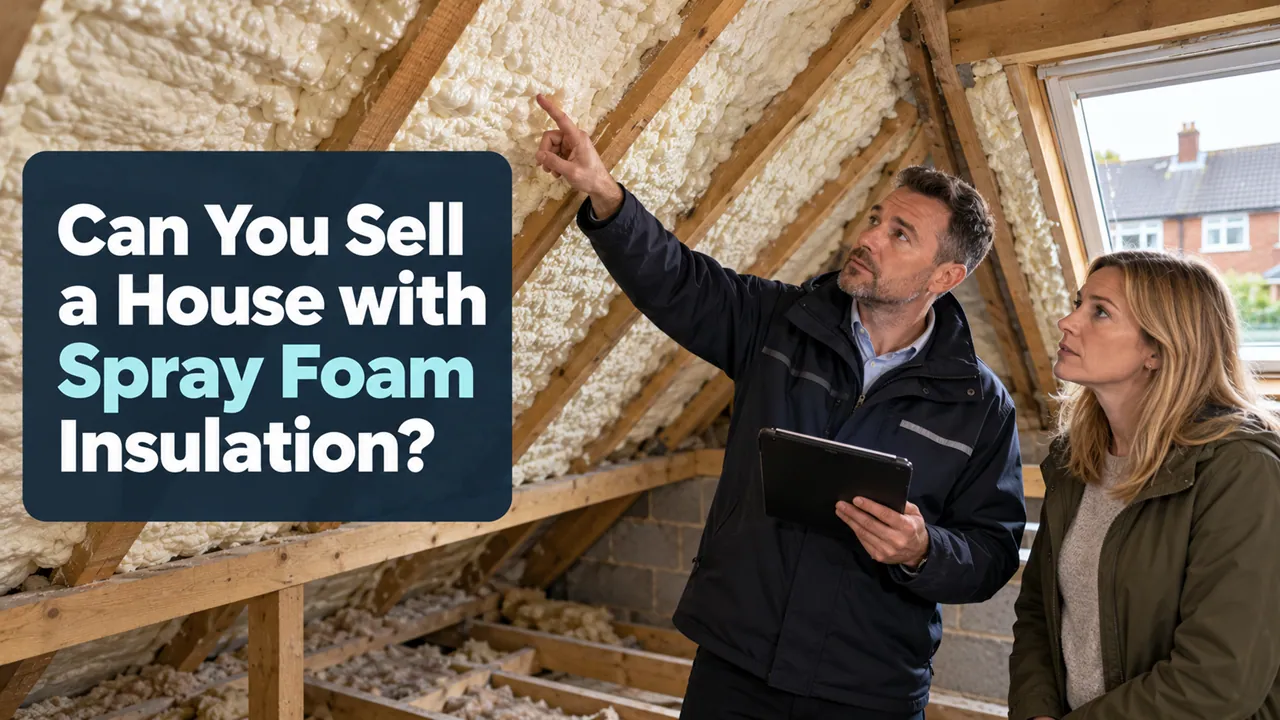
Remove Spray Foam Insulation Bournemouth services have increased dramatically as homeowners discover mortgage lenders refusing applications due to sealed roof timbers. Property sales collapse when surveyors cannot inspect structural elements hidden beneath polyurethane foam, creating immediate devaluation and financing obstacles. Beyond resale complications, incorrectly applied spray foam traps moisture against roof rafters, causing timber rot, mould growth, and compromised structural integrity that worsens over time.
Roof repairs become impossible when insulation material bonds permanently to tiles, membranes, and wooden trusses, preventing necessary maintenance or replacement work. Ventilation issues emerge as closed-cell foam creates vapor barriers that eliminate essential airflow, transforming lofts into condensation traps that accelerate damp problems and timber degradation. Insurance providers increasingly decline coverage for properties with spray foam, citing unknown risks behind sealed surfaces and potential hidden damage.
Understanding Open-Cell vs Closed-Cell Foam Removal
Open-Cell Foam Characteristics and Removal
Open-cell spray foam features soft, spongy texture with weak to moderate adhesion strength to roof timbers. The flexible structure allows easier manual removal using utility knives, handsaws, and scrapers without specialized equipment. This insulation type absorbs moisture readily, making it less water-resistant but simpler to cut and peel away in sections.
Closed-Cell Foam Characteristics and Removal
Closed-cell foam creates rigid, dense barriers with extremely strong bonds to underlying surfaces. The hard, stiff texture requires oscillating tools, crowbars, and professional-grade equipment to safely extract without damaging roof structure. Vapor impermeability makes closed-cell more problematic for condensation control, while superior adhesion complicates DIY removal attempts significantly.
Professional Removal Methods and Techniques
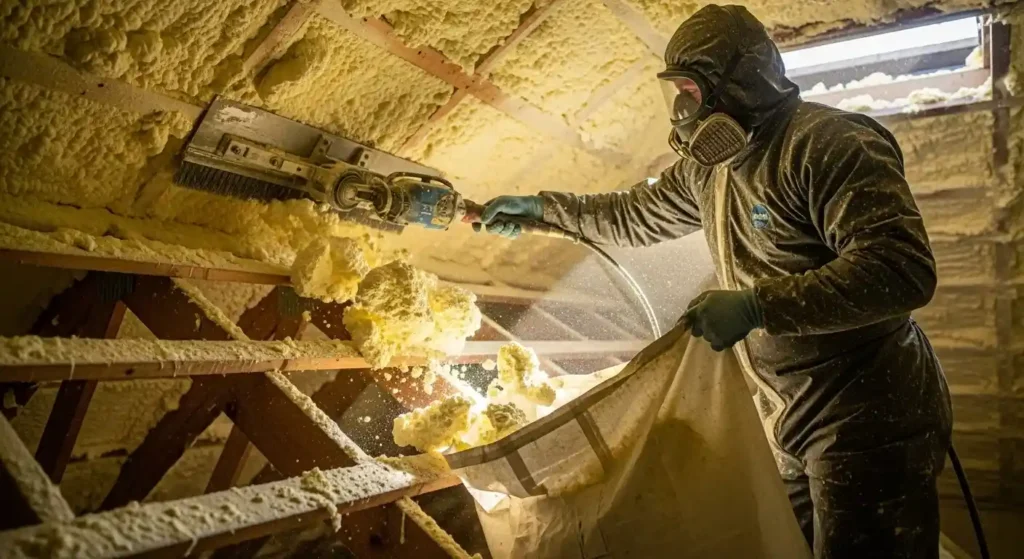
ClearFoam Roof & Insulation employs proven Spray Foam Removal Bournemouth processes tailored to insulation type and property conditions. Dry ice blasting represents the safest modern technique, using frozen CO2 pellets to fracture foam without damaging roof trusses or creating surface pitting on wooden beams. This method removes insulation in large chunks rather than tedious manual scraping, dramatically reducing project timelines and structural risks.
Assessment phases identify foam thickness, coverage extent, and hidden complications like embedded wiring or pre-existing timber damage. Mechanical removal progresses systematically using cutting tools, scrapers, and leverage equipment appropriate to foam density and adhesion patterns. Residue management addresses stubborn fragments through wire brushing, controlled sanding, or specialized solvents when necessary, ensuring complete extraction before roof restoration.
Safety Protocols and Health Protection
Respiratory protection using high-quality masks with chemical particulate filters prevents isocyanate exposure from older foam installations. Ventilation systems maintain airflow throughout loft spaces, while full protective equipment including gloves, goggles, and coveralls minimizes skin contact with irritating debris.
Disposal and Environmental Compliance
Heavy-duty waste bags contain all removed foam material, treated as construction waste unless testing reveals contamination. Local authority regulations govern proper disposal, with burning strictly prohibited due to toxic fume generation.
When DIY Removal Risks Outweigh Benefits
Remove spray foam insulation Bournemouth attempts without professional expertise frequently cause expensive structural damage and incomplete extraction.
- Extensive roof coverage exceeding small sections overwhelms DIY capabilities, requiring commercial equipment and trained specialists
- Electrical entanglement where wiring runs through foam creates electrocution hazards without proper isolation procedures
- Structural uncertainty from visible timber rot, sagging, or warping demands expert assessment before removal proceeds
- Time investment stretching weeks for manual methods versus professional completion in days wastes resources and extends property disruption
- Health conditions including respiratory sensitivities or immune compromises make foam particle exposure genuinely dangerous
ClearFoam Roof & Insulation provides certificates documenting complete spray foam removal Bournemouth completion, satisfying mortgage lenders and property surveyors requiring formal verification.
FAQ’s About Spray Foam Removal
How Long Does Professional Spray Foam Removal Take in Bournemouth?
Small lofts under 15m² require one day for professional removal, while medium spaces take one to two days. DIY attempts extend timelines to one or two weeks depending on foam type and coverage extent.
Can Spray Foam Removal Damage My Roof Structure?
Professional techniques like dry ice blasting prevent structural damage by avoiding aggressive scraping or prying. DIY removal frequently damages roof tiles, membranes, and timber surfaces through improper tool use or excessive force.
What Costs Should I Expect for Spray Foam Removal in Bournemouth?
Professional spray foam removal varies by project size, foam type, and accessibility challenges. ClearFoam Roof & Insulation provides free assessments and transparent quotes accounting for removal, disposal, and post-extraction timber treatment.
Is Spray Foam Removal Necessary for Mortgage Approval?
Most UK lenders now require spray foam removal or comprehensive surveys confirming no timber damage exists beneath sealed surfaces. Property sales frequently collapse without documented removal and roof structure certification.
What Insulation Should Replace Removed Spray Foam?
Mineral wool, sheep’s wool, rigid boards, or multi-foil insulation offer lender approved alternatives with better breathability and inspection accessibility. ClearFoam Roof & Insulation installs replacement insulation meeting current building regulations and thermal performance standards.