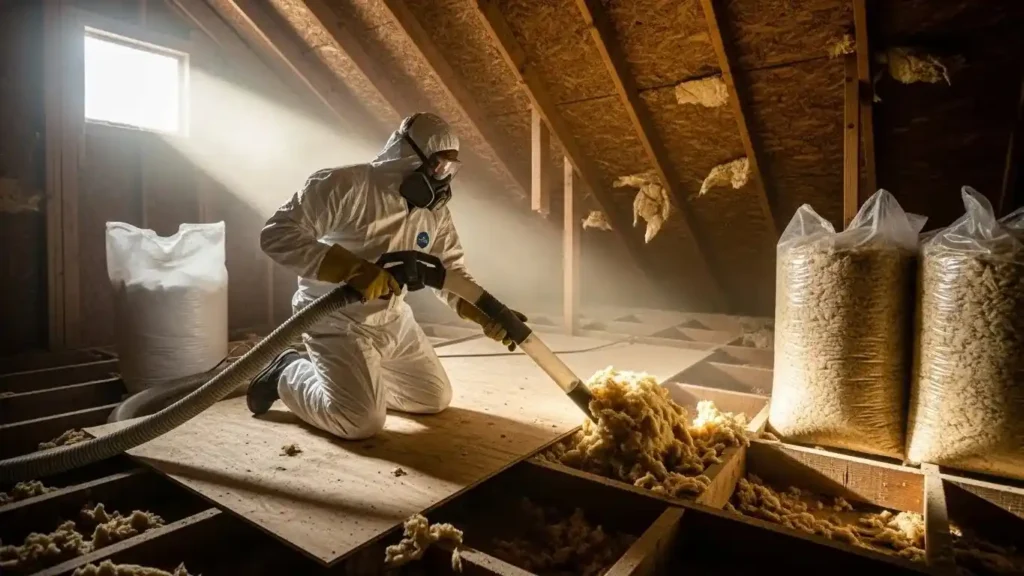
Removing old attic insulation proves essential for Bournemouth homeowners facing deteriorated materials, pest contamination, or moisture damage that compromises thermal performance and indoor air quality. Outdated insulation loses effectiveness over time, leading to increased energy bills, uncomfortable temperature fluctuations, and potential health hazards from mould or allergen accumulation.
Understanding When Old Attic Insulation Requires Removal
Visible water stains, persistent musty odours, or brown discolouration across insulation surfaces indicate moisture damage requiring immediate removal before mould colonisation spreads. Compressed or settled insulation losing its original thickness by more than 30% no longer provides adequate thermal protection, allowing significant heat transfer that increases energy consumption. Bournemouth properties built before 2000 often contain outdated insulation materials delivering R values substantially lower than current building regulations demand.
Pest infestations leave droppings, urine stains, and nesting materials throughout insulation, creating unsanitary conditions and unpleasant odours permeating living spaces below. Physical damage from roof leaks, electrical work, or previous renovations creates gaps and voids eliminating insulation effectiveness across affected areas. Rising energy bills despite consistent usage patterns suggest insulation failure demanding professional assessment and likely removal for replacement with modern alternatives.
Essential Safety Equipment for Insulation Removal Projects
Proper protective gear prevents serious health complications from fibreglass particles, cellulose dust, and potential hazardous materials encountered during removal. Respiratory protection proves absolutely critical, requiring high quality N95 masks or full-face respirators preventing inhalation of harmful fibres and allergens.
- Full body coveralls with hood and elastic cuffs prevent skin contact with irritating fibreglass particles embedding in clothing
- Heavy duty work gloves protect hands from sharp debris, rough timber, and insulation materials causing irritation
- Safety goggles with sealed edges shield eyes from airborne particles and dust clouds created during removal
- Bright LED headlamps or work lights illuminate dark attic corners ensuring thorough removal without missing contaminated sections
- Sturdy work boots with non-slip soles provide secure footing across joists preventing dangerous falls through ceiling plasterboard
Professional grade equipment including industrial vacuums with HEPA filtration capture microscopic particles preventing household contamination. ClearFoam Roofing & Insulation utilises specialist extraction systems eliminating dust whilst protecting your Bournemouth property’s interior spaces from debris.
Step by Step Process for Removing Different Insulation Types
Fibreglass Batt Insulation Removal
Start at the farthest attic corner from the access hatch, systematically rolling batts toward the exit point to minimise walking across uncovered joists. Use gloved hands to fold or roll batts into manageable sections, immediately placing them into heavy duty contractor bags preventing fibre escape. Work methodically in strips parallel to joists, having a helper bag material as you progress to maintain momentum and reduce handling time.
Blown Cellulose Insulation Extraction
Deploy industrial insulation removal vacuums with minimum 1500-watt motors providing sufficient suction for dense cellulose materials. Position vacuum hose extension at the furthest attic point, crawling along joists whilst systematically vacuuming material into sealed collection bags. Replace vacuum filters frequently as cellulose dust clogs HEPA systems rapidly, maintaining suction power throughout the extended removal process.
Spray Foam Insulation Removal
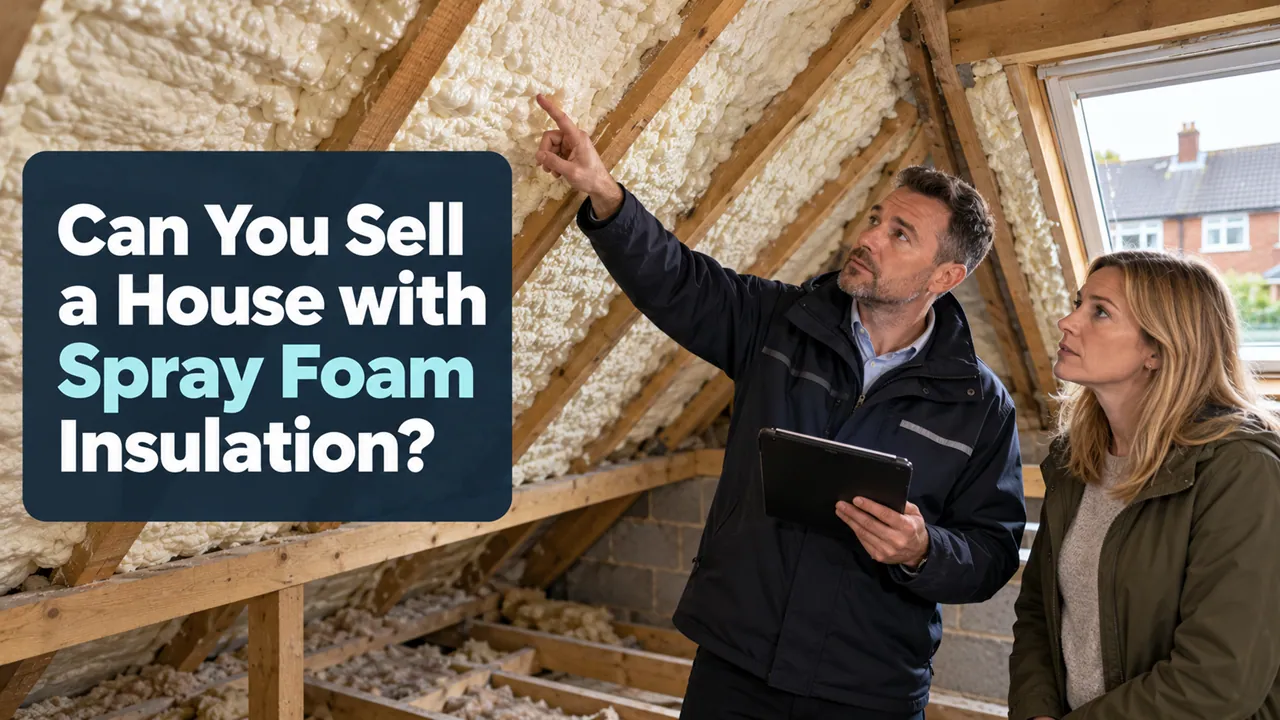
Professional spray foam removal demands specialist cutting tools, intensive labour, and extensive experience due to rigid adhesion to timber surfaces. Open cell foam removal takes one to two days for average lofts, whilst closed cell extraction can require several days or complete roof replacement. ClearFoam Roofing & Insulation provides expert Spray Foam Removal in Bournemouth, ensuring complete extraction without structural damage to valuable roof timbers.
Which Issues Cause Attic Insulation Deterioration
Roof leaks allowing water penetration saturate insulation materials, destroying thermal properties whilst promoting destructive mould growth and wood rot. Even minor leaks dripping onto fibreglass or cellulose compress fibres, permanently reducing R values and creating damp conditions ideal for fungal colonisation. Bournemouth’s coastal climate with persistent humidity accelerates moisture related insulation damage in poorly ventilated attic spaces.
Inadequate attic ventilation traps humid air against insulation surfaces, causing condensation that gradually saturates materials from beneath. Temperature differentials between warm living spaces and cold roof surfaces create ideal conditions for moisture accumulation when ventilation proves insufficient. Rodent and pest infestations contaminate insulation with urine, faeces, and nesting debris whilst physically damaging materials through burrowing and chewing.
What Affects Old Insulation Removal Costs Without Hiring Professionals
DIY attic insulation removal requires substantial equipment investment including industrial vacuum rental costing £50 to £150 daily, heavy duty bags, and comprehensive safety gear. Time commitment proves significant, with typical 1500 square foot attics demanding six to eighteen hours for blown insulation removal depending on depth and accessibility. Physical demands of overhead work in confined, hot attic spaces cause exhaustion, particularly for homeowners unaccustomed to intensive manual labour.
- Disposal fees at licensed waste facilities add £200 to £600 depending on insulation type and volume removed
- Equipment purchases including proper respirators, coveralls, and work lights cost £100 to £300 for adequate protection
- Hidden contamination from pest droppings or mould requires additional remediation increasing project complexity substantially
- Incorrect removal techniques damage ceiling plasterboard or electrical wiring, creating costly repairs exceeding professional removal fees
- Physical injury risks from heat exhaustion, falls through ceilings, or respiratory problems from inadequate protection
Professional insulation removal eliminates these concerns whilst guaranteeing complete extraction and proper disposal, often proving more cost effective than problematic DIY attempts. ClearFoam Roofing & Insulation provides transparent pricing covering all aspects of attic insulation removal across Bournemouth properties.
Understanding Professional Insulation Removal Costs in Bournemouth
Standard Fibreglass and Cellulose Removal
Professional loft insulation removal averages £500 to £800 for typical three-bedroom semidetached properties across Bournemouth. Pricing depends primarily on insulation volume, attic accessibility, and material type, with cellulose requiring more intensive equipment than fibreglass batts. Labour intensive projects in attics with restricted headroom or complex roof structures increase costs by 20% to 40% due to extended working hours.
Spray Foam Insulation Removal Pricing
Spray foam removal costs substantially more, averaging £1,500 to £3,200 for complete extraction from average sized Bournemouth properties. Open cell foam removal proves less expensive than closed cell extraction, though both require specialist equipment and intensive labour. Properties requiring roof tile removal for complete closed cell foam extraction face costs exceeding £5,000 including structural repairs.
Additional Service Costs
Pest decontamination adds £200 to £500 when rodent or insect contamination requires sanitisation before new insulation installation. Mould remediation increases project costs by £300 to £800 depending on colonisation extent and affected surface areas. ClearFoam Roofing & Insulation provides comprehensive assessments identifying all required services before work commences, ensuring accurate pricing without unexpected additions.
FAQ’s About Removing Old Attic Insulation in Bournemouth
How Long Does Professional Attic Insulation Removal Take?
Fibreglass removal takes four to six hours, whilst blown cellulose requires six to fifteen hours, and spray foam extraction demands one to five days.
Can I Remove Old Insulation Myself or Need Professionals?
Homeowners can remove fibreglass batts, but blown cellulose and spray foam require specialist equipment and expertise for safe, complete extraction.
What Safety Precautions Are Essential During Insulation Removal?
Wear N95 respirators, sealed goggles, full coveralls, and heavy gloves whilst ensuring adequate ventilation and taking frequent breaks preventing heat exhaustion.
How Much Does Insulation Removal Cost in Bournemouth?
Standard removal costs £500 to £800, whilst spray foam extraction ranges £1,500 to £3,200 depending on foam type and project complexity.
What Equipment Is Needed for Effective Insulation Removal?
Industrial HEPA vacuum, heavy duty contractor bags, respiratory protection, work lights, and disposal vehicle for transporting materials to licensed facilities.
Should Old Insulation Be Removed Before Installing New Materials?
Yes, removing deteriorated insulation prevents moisture retention, pest contamination, and ensures new materials achieve maximum thermal performance ratings.
How Do I Dispose of Removed Attic Insulation Properly?
Contact Bournemouth waste management for licensed disposal facilities accepting insulation materials, with fees typically ranging £200 to £600 per load.