Why Spray Foam Insulation Causes Concerns for UK Insurers
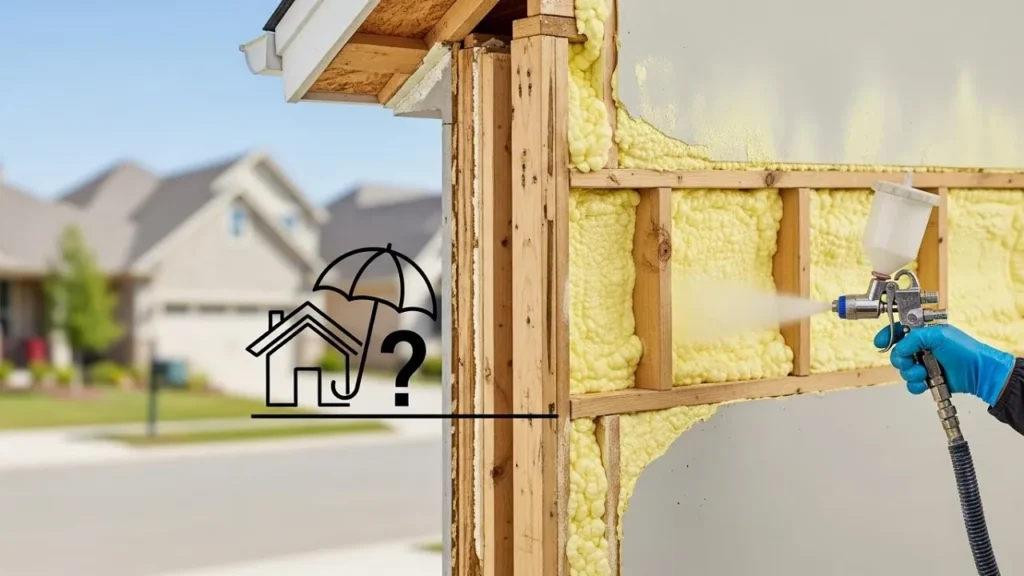
Many insurers across the UK remain cautious of spray foam insulation because it conceals roof timbers, restricts airflow and prevents surveyors from assessing long term moisture behaviour. When vital structural surfaces become hidden, insurers cannot evaluate risk with clarity, leading to uncertainty during policy renewal or application reviews.
Homes fitted with dense insulation often produce irregular damp readings and obstructed ventilation patterns, complicating the work of surveyors examining older roofs. These visibility problems are a key reason insurers request Spray Foam Insulation Removal before approving cover, especially when the material blocks inspection of structural elements.
Issues Insurers Notice in Foam Insulated Roofs
Surveyors often cite challenges caused by hardened insulation when evaluating roof structures, airflow pathways and concealed damp behaviour, making accurate assessment difficult. Surveyors follow strict assessment standards set by bodies like RICS, which is why clear visibility of roof timbers is essential during inspections.
- Obstructed inspection of timber frameworks
- Disrupted airflow within older ventilation systems
- Inconsistent moisture readings across insulation layers
ClearFoam Roof & Insulation frequently assists homeowners facing insurance delays caused by restricted visibility. Insurers often consider removal essential when inspection routes remain inaccessible behind dense insulating material.
How Spray Foam Affects Mortgage Lending Decisions
Mortgage lenders depend on thorough inspection of roof structures to confirm long term suitability for lending. When insulation blocks access to timbers or conceals moisture patterns, surveyors cannot verify structural condition, causing applications to be delayed or declined due to incomplete information.
Homes located in coastal or older regions face heightened scrutiny because their natural ventilation systems require unrestricted airflow to function properly. When insulation disrupts these systems, many homeowners choose Spray Foam Removal Bournemouth to restore transparency and meet standard lending requirements for successful approval.
Lender Concerns About Concealed Roofing Conditions
Surveyors highlight several issues when insulation blocks vital areas during assessment.
Unverifiable Timber Condition
Hidden timber elements make it difficult to determine stability or identify deterioration beneath hardened insulation.
Unclear Damp Behaviour
Foam influences damp readings, raising uncertainty about moisture patterns across affected roofing sections.
Restricted Airflow Evidence
Insulation conceals airflow channels, limiting proof that ventilation remains consistent over time. ClearFoam Roof & Insulation often resolves lending challenges by restoring visibility through controlled insulation removal.
Insurance Limitations Created by Spray Foam Insulation
Spray foam insulation can trap moisture between hardened material and timber rafters, creating hidden pockets of damp that remain undetected for long periods. Insurers consider this a significant risk because concealed moisture can gradually weaken structural surfaces, increasing the likelihood of expensive claims.
During renewal, insurers may refuse cover when surveyors cannot verify stable airflow or determine long term damp behaviour due to limited access. Many homeowners discover that restricted visibility alone prevents insurers from forming accurate assessments until removal provides clearer inspection pathways.
Structural Problems Commonly Found Beneath Foam Insulation
Surveyors often record irregular airflow patterns, bonding separation and hidden damp accumulation beneath hardened insulation. These concealed conditions elevate long term risk, particularly within older roofing structures that rely on natural ventilation.
ClearFoam Roof & Insulation frequently identifies trapped moisture and restricted airflow hidden behind dense insulation layers, prompting insurers to recommend removal to ensure future safety and stability.
When Spray Foam Removal Becomes Necessary for Insurance Approval
Spray foam removal becomes necessary when surveyors cannot determine the state of roof timbers, airflow stability or moisture distribution due to obstructed surfaces. Insurers require transparent access to all structural areas, and dense insulation prevents this level of analysis. Removal restores clarity and allows insurers to make accurate assessments.
Homeowners also experience delays when selling or refinancing because lenders cannot approve applications without full visibility. Many sellers arrange removal as a precaution to ensure surveyors can inspect every part of the roof with confidence, reducing the likelihood of transaction complications.
What Surveyors Need Before Approving Roof Conditions
Surveyors must confirm airflow behaviour, structural stability and visible timber frameworks before approving properties for lenders and insurers.
- Clear access to roof surfaces for inspection
- Stable and predictable moisture readings
- Evidence of consistent airflow movement
ClearFoam Roof & Insulation regularly supports homeowners dealing with survey failures caused by concealed roof sections. Removal helps restore proper inspection access and improves the chances of insurance and mortgage approval.
Why Insurers Commonly Decline Foam Insulated Properties
Insurers often decline homes containing dense insulation because it blocks inspection of roof structures, interrupts ventilation observation and prevents accurate measurement of damp behaviour. Underwriters rely on transparent evaluation, and foam complicates the process, prompting refusals or restricted cover.
Even insulation installed by certified professionals can create problems when it obscures essential surfaces. ClearFoam Roof & Insulation frequently assists homeowners facing insurance withdrawal due to limited inspection access and concealed structural detail hidden beneath hardened material.
Reasons Insurers Refuse Homes With Spray Foam Insulation
Several reasons are repeatedly cited in surveyor reports across affected properties.
Inaccessible Timber Surfaces
Foam conceals timber components, making it difficult for insurers to confirm long term stability.
Unreliable Moisture Testing
Damp testing becomes inconsistent when insulation affects readings or hides moisture migration points.
Blocked Ventilation Channels
Ventilation pathways remain hidden, preventing accurate evaluation of airflow performance.
Insurers commonly request removal before reconsidering the property for standard policy cover.
When Homeowners Should Consider Professional Spray Foam Removal
Homeowners should consider removal when surveyors identify ventilation issues, inconsistent moisture levels or structural surfaces requiring evaluation. Removal becomes essential during remortgaging or sale, as lenders require transparent inspection access to confirm long term roof performance and safety.
Older homes benefit the most from removal because their traditional ventilation systems rely heavily on open airflow. Dense insulation blocks these essential pathways, increasing the likelihood of hidden damp and gradual structural weakening that develops unnoticed behind the material.
Selecting a Skilled Spray Foam Removal Specialist
A qualified specialist evaluates insulation thickness, bonding strength and the condition of underlying timber structures before beginning removal. This ensures safe extraction and prevents disturbance to delicate roof components.
ClearFoam Roof & Insulation provides controlled removal that restores ventilation clarity, improves structural visibility and supports successful insurance and mortgage assessments after inspection access is fully reinstated.
Financial Risks of Keeping Spray Foam Installed in UK Homes
Many homeowners underestimate the financial impact caused by restricted visibility behind dense insulation. Policy refusals, valuation delays and repeated surveys create an ongoing series of costs. Insurers frequently decline cover until complete visibility is restored, leaving homeowners without full protection.
Property sales may be disrupted because buyers rely on mortgage approval. Lenders often refuse applications for homes with concealed structural surfaces. Homeowners may face reduced offers or extended sale timelines until removal restores confidence in the building’s long term reliability.
Financial Concerns Raised by Foam Insulated Roofs
Homeowners encounter multiple financial disadvantages when roof inspection remains blocked by dense insulation.
- Slower mortgage application outcomes
- Increased survey costs across repeated inspections
- Lower confidence from potential buyers
ClearFoam Roof & Insulation helps homeowners reduce financial risk by removing insulation that obstructs visibility. Removal often improves property value and reduces long term uncertainty linked to concealed roof surfaces.
How Removal Restores Insurance and Mortgage Eligibility
Spray foam removal restores visibility across roof timbers, enabling surveyors to verify airflow behaviour, evaluate moisture regulation and analyse long term stability. This level of clarity allows insurers to reassess properties based on reliable evidence rather than uncertain predictions influenced by concealed surfaces.
Mortgage lenders respond positively once insulation is removed because they gain full access to essential areas. Surveyors can then provide accurate valuation reports, increasing the likelihood of loan approval. Removal ultimately strengthens confidence for both insurers and lenders evaluating long term roof condition.
Advantages Homeowners Notice After Spray Foam Removal
Several improvements become clear once insulation is removed and the roof is fully accessible.
Restored Ventilation Flow
Air moves freely through ventilation channels, reducing trapped moisture and helping stabilise conditions across exposed roof sections.
More Reliable Damp Readings
Surveyors gain consistent moisture data across timber components, offering a clearer understanding of long-term moisture behaviour and structural health.
Improved Structural Visibility
Exposed roof structures allow surveyors to confirm rafter condition and detect early deterioration without obstruction.
ClearFoam Roof & Insulation supports many homeowners in restoring safety, transparency and approval readiness through controlled removal.
FAQ About Insuring a Home with Spray Foam Insulation
Can Spray Foam Insulation Stop You Getting Home Insurance in The United Kingdom
Yes. Spray foam hides roof timbers and restricts airflow checks, making it difficult for insurers to assess long term moisture behaviour. Many providers request removal before offering cover.
Will Mortgage Lenders Refuse Applications for Homes with Spray Foam Insulation
Often yes. Foam blocks access to timber structures and prevents accurate damp testing. Lenders need clear visibility across all roof areas before approving mortgage applications.
Does Removing Spray Foam Insulation Help Restore Eligibility for Insurance
Yes. Removal provides surveyors access to ventilation pathways and exposed timber surfaces, allowing insurers to assess risk accurately and reinstate insurance cover with confidence.
Is Closed Cell Spray Foam Insulation More Likely to Cause Issues with Insurers
Yes. Closed cell insulation limits ventilation and traps moisture more easily, increasing the risk of hidden decay. Insurers classify these conditions as higher risk for policy approval.
Should Homeowners Remove Spray Foam Insulation Before Selling Their Property
Yes. Most buyers depend on mortgages, and lenders reject homes with concealed roof structures. Removal improves survey accuracy, supports valuations and prevents transaction delays.