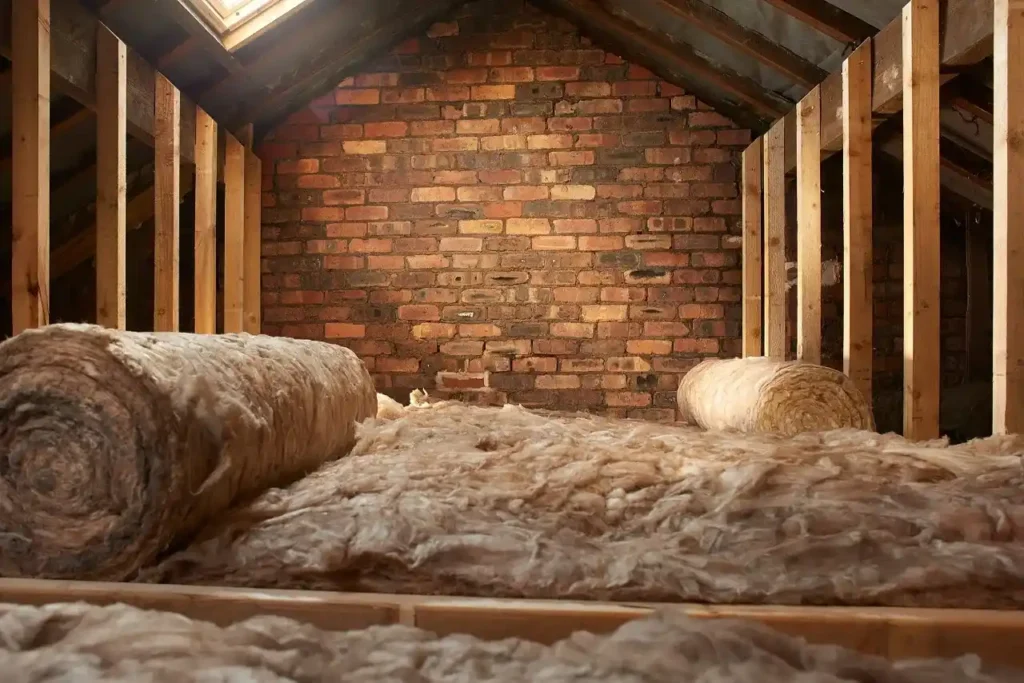
Loft insulation plays a critical role in maintaining energy efficiency and comfort within a property. Many homeowners are unsure how long insulation remains effective or when replacement becomes necessary. Lifespan depends on material type, installation quality and environmental conditions. Understanding these factors helps prevent energy loss and unnecessary expense.
How Loft Insulation Lifespan Is Commonly Determined
Loft insulation lifespan varies based on the material used and how well it was installed. When fitted correctly, insulation can perform efficiently for decades. However, performance declines when moisture exposure, compression, or poor loft ventilation affect the material over time.
In many cases, insulation remains in place long after its efficiency drops. Homeowners may not realise performance has reduced until heating bills rise or cold spots appear. This is why understanding the expected lifespan of Loft Insulation Bournemouth installations is essential.
Factors That Shorten Insulation Lifespan
Several factors reduce how long loft insulation remains effective. These issues often develop gradually and are not always visible from inside the home. Over time, they can significantly reduce thermal performance.
- Moisture ingress caused by condensation or roof leaks
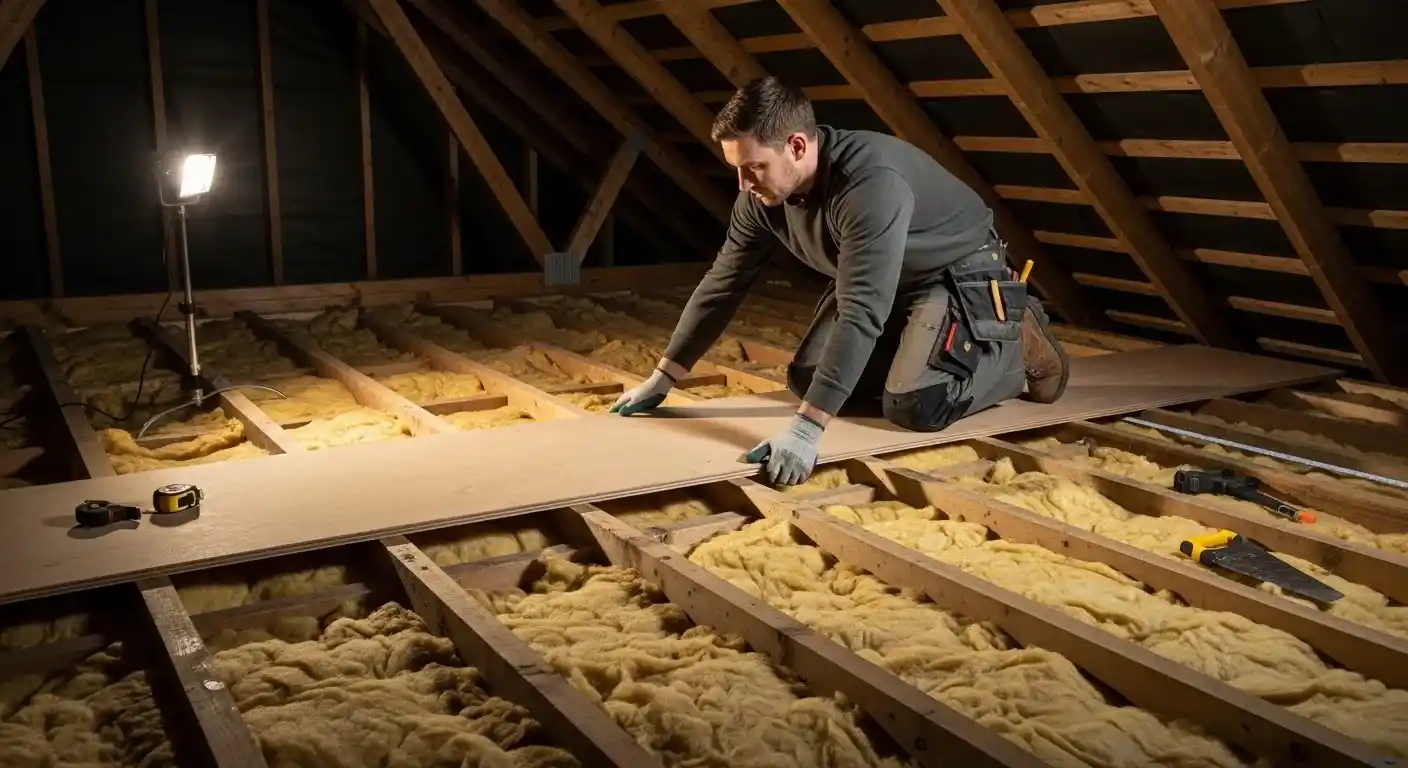
- Compression from loft boarding or stored items
- Restricted airflow due to blocked ventilation pathways
When these factors combine, insulation may underperform long before its expected lifespan ends. Early assessment helps prevent wasted energy and structural issues.
How Material Type Influences Durability
Different insulation materials age in different ways. Understanding material behaviour helps set realistic expectations for replacement timelines.
Mineral Wool Insulation
Mineral wool typically lasts several decades but can lose effectiveness if compressed. Settling over time reduces its ability to trap heat efficiently.
Rigid Board Insulation
Rigid boards maintain shape longer and resist compression. However, gaps between boards can reduce overall performance if not installed precisely.
Loose Fill Insulation
Loose fill materials shift over time and are sensitive to airflow. Uneven coverage often leads to inconsistent thermal protection.
Choosing the right material and installation method significantly affects long term insulation performance.
Loft insulation lifespan is not fixed. It depends on how materials interact with the roof environment over time and whether they remain dry, ventilated and evenly distributed.
Installation Issues That Reduce Effectiveness Early
Even high-quality insulation can fail early if installation standards are poor. These problems are common in older properties or rushed retrofit projects.
- Insulation packed tightly against roof timbers
- Gaps around loft hatches and services
- Inadequate allowance for air circulation
These faults allow heat loss and moisture build up. They also increase the likelihood of insulation needing replacement sooner than expected.
Why Professional Installation Extends Insulation Life
Professional installation focuses on long term performance rather than short term coverage. Correct spacing, ventilation and material handling all influence durability.
Ventilation Aware Layouts
Installers preserve airflow through the roof void to reduce condensation risk and material degradation.
Correct Depth Control
Maintaining optimal insulation depth prevents compression and ensures consistent thermal resistance.
Future Proof Planning
Installations allow access for inspections and upgrades without disturbing insulation layers.
Homeowners who use ClearFoam Roof & Insulation often benefit from insulation systems designed to perform reliably over many years.
Typical Lifespan of Loft Insulation by Material Type
The lifespan of loft insulation varies depending on the material used and how it interacts with the roof environment. Some materials retain performance for decades, while others degrade sooner due to air movement, moisture exposure or regular disturbance within the loft space.
Understanding material lifespan helps homeowners decide whether topping up or full replacement is required. In many cases, insulation appears intact but no longer delivers adequate thermal resistance, especially in properties with older loft insulation Bournemouth installations.
Average Lifespan Expectations for Common Materials
Different insulation materials perform well for different lengths of time. Environmental exposure and usage patterns influence how closely they reach their expected lifespan. These ranges reflect typical performance rather than guaranteed durability.
- Mineral wool insulation often lasts twenty to forty years
- Rigid board insulation can exceed forty years if protected
- Loose fill insulation may degrade within fifteen to twenty years
These estimates assume correct installation and ventilation. Poor conditions can significantly shorten effective lifespan.
How Environmental Exposure Alters Material Performance
Environmental conditions play a major role in how insulation ages. Even durable materials suffer when exposed to unsuitable loft environments.
Moisture Exposure
Persistent dampness caused by condensation reduces thermal resistance. Moist insulation also increases the risk of mould and structural damage.
Airflow Disruption
Blocked or excessive airflow affects how insulation traps heat. Imbalanced ventilation accelerates heat loss and material breakdown.
Physical Disturbance
Frequent access or storage compresses insulation layers. This reduces their ability to retain warmth effectively.
Managing environmental exposure helps insulation reach its full lifespan potential.
Loft insulation longevity depends as much on surroundings as material choice. Homes with stable ventilation and dry roof voids consistently achieve better long-term performance.
Warning Signs That Insulation Is Past Its Best
Insulation rarely fails suddenly. Instead, gradual performance decline produces subtle warning signs that homeowners often overlook until energy costs rise.
- Uneven temperatures between rooms
- Increased heating demand during winter
- Cold draughts near ceilings
These symptoms suggest insulation is no longer performing efficiently. Professional assessment helps confirm whether replacement or improvement is required.
Why Professional Assessment Prevents Unnecessary Replacement
Not all underperforming insulation requires removal. Professional evaluation determines whether improvement or full replacement is the most appropriate option.
Thermal Performance Testing
Assessments identify heat loss areas without disturbing existing insulation layers.
Moisture and Ventilation Checks
Inspecting roof void conditions helps determine whether insulation degradation is environmental rather than material related.
Targeted Upgrade Planning
Selective improvements extend lifespan without full replacement.
Homeowners working with ClearFoam Roof & Insulation often avoid unnecessary costs through informed, evidence-based decisions.
When Loft Insulation Should Be Replaced or Upgraded
Loft insulation should be replaced when it no longer delivers consistent thermal performance or shows signs of deterioration. Even insulation that appears intact can underperform if compression, moisture exposure or ageing materials reduce its ability to retain heat effectively.
In many homes, insulation remains untouched for decades despite changing standards. Older installations may not meet current efficiency expectations, especially when combined with poor roof ventilation. Reviewing insulation age helps homeowners plan upgrades before energy loss becomes excessive.
Clear Indicators That Replacement Is Needed
Certain signs suggest insulation is no longer functioning as intended. These issues often develop slowly, making them easy to overlook until comfort or energy bills are affected.
- Noticeable heat loss through ceilings
- Persistent condensation within the loft
- Visible sagging or uneven insulation coverage
These indicators signal reduced performance and increased heat escape. Early replacement prevents further efficiency loss and protects roof components.
How Insulation Age Affects Energy Efficiency
Insulation performance declines gradually rather than failing suddenly. Understanding how age impacts efficiency helps determine the right time for intervention.
Material Degradation
Over time, fibers settle or break down. This reduces the insulation’s ability to trap warm air consistently.
Reduced Thermal Resistance
Older materials may no longer meet modern U value expectations. This leads to higher heating demand.
Ventilation Changes
Roof alterations can disrupt airflow. Poor ventilation accelerates insulation ageing.
Assessing insulation age alongside performance ensures replacement decisions are based on evidence rather than assumption.
Replacing insulation at the right time restores efficiency and improves indoor comfort. Delaying action often increases long term energy costs and structural risk.
Why Bournemouth Homes Need Regular Insulation Reviews
Local environmental factors influence insulation lifespan. Coastal properties face conditions that can accelerate performance decline.
- Higher humidity levels near the coast
- Increased exposure to wind driven moisture
- Greater reliance on heating during damp winters
These conditions place additional strain on insulation materials. Regular assessment helps maintain efficiency in coastal homes.
How Professional Replacement Maximises Long Term Performance
Professional replacement focuses on durability, ventilation and compliance with modern standards. Correct planning ensures insulation performs reliably for decades.
Ventilation First Design
Installations prioritise airflow through the roof void to control moisture levels.
Correct Depth Installation
Insulation is laid to optimal depth without compression. This maximises thermal resistance.
Future Ready Layouts
Systems allow easy access for inspections or upgrades.
Homeowners who choose ClearFoam Roof & Insulation often benefit from insulation solutions designed to perform efficiently long term.
Frequently Asked Questions About Loft Insulation Lifespan
How Long Does Loft Insulation Usually Last
Most loft insulation lasts twenty to forty years depending on material type and conditions. Performance reduces sooner if moisture, compression or poor ventilation are present.
Can Old Loft Insulation Still Work Effectively
Older insulation may remain in place but often loses efficiency. Settling and reduced thermal resistance increase heat loss and energy use over time.
Does Loft Insulation Need Replacing If It Looks Fine
Yes, appearance alone is misleading. Insulation can underperform despite looking intact, especially if airflow or roof void conditions are unsuitable.
How Do I Know If My Insulation Is Failing
Cold rooms, rising heating costs and loft condensation are common signs. Professional assessment confirms whether replacement or improvement is needed.
Is Topping Up Insulation Better Than Replacing It
Topping up works when existing insulation is dry and evenly laid. Replacement is better when materials are compressed or moisture damaged.
Does Coastal Air Affect Insulation Lifespan
Yes, coastal humidity accelerates degradation. Homes near the sea often need more frequent loft insulation Bournemouth reviews.
Should Insulation Replacement Be Done Professionally
Professional installation ensures correct depth, ventilation and long-term performance. This reduces future issues and protects roof structures.