Deciding Between Open and Closed Cell Spray Foam Insulation for Your Property
I once assisted a homeowner in Bournemouth who chose the wrong foam for their loft conversion project. They applied open cell material in a high moisture area without a proper vapour barrier system in place. Within two winters the timber rafters began to show signs of dampness and structural stress from trapped condensation. This failure highlights why understanding the chemical difference between these two insulation types is vital for any project. At ClearFoam Roof & Insulation we focus on matching the specific cell structure to your building physics.
The choice depends heavily on your specific goals for thermal resistance and structural reinforcement within the building envelope. For most residential projects in the South Coast, you must consider the local humidity and wind driven rain. This journey requires a deep look at how each material reacts to the unique coastal climate of Dorset. Discrepancies in performance often lead to long term issues with timber health or energy efficiency levels. You must account for the specific density and expansion rates of the foam during the application process.
Understanding the Physical Characteristics of Closed Cell Spray Foam Insulation
Before the spray gun reaches the rafters, a technician must evaluate the density of the chosen material. This is where most installation disasters actually occur in modern homes. I once watched a contractor use low density foam in a commercial unit requiring structural support. You should budget for a high-density product if you need to reinforce your roof against storm damage. We scan the area for gaps and check the R-value requirements for the specific room type. This initial look determines if the more rigid structure of Closed Cell Spray Foam Insulation is necessary.
Evaluating Thermal Performance and R-Value Density
Professional teams do more than just fill a cavity with white foam. They utilize the high density of closed cells to achieve maximum thermal resistance in thin areas. Expect a twenty-minute check of the rafter depth and the available air gap space. This ensures that the thermal bridge is broken without losing valuable living space in your loft.
Executing Structural Reinforcement for Exposed Roofs
If your property is near the coast, you might consider the glue-like properties of rigid foam. However established buildings often require a material that can add rigidity to the existing timber frame work. Most ClearFoam Roof & Insulation specialists prefer the Honeywell Solstice blowing agent for environmental safety. This turns a standard roof into a reinforced structure that can withstand higher wind loads.
Strategic Moisture Management and Vapour Barriers
If you live in a high humidity zone a built-in vapour barrier can help. These rigid cells hasten the prevention of water movement through the insulation layer itself. This method takes minutes to identify if the building requires a waterproof barrier against the elements. We find that a closed structure is better for long term protection against damp and mould growth.
Booking Expert Insulation Support in Christchurch
High quality insulation specialists in Christchurch and Poole are often busy throughout the winter months. Reputable firms usually have a lead time of several weeks for a full house spray project. If a contractor offers an instant start verify their KIWA or BBA certifications for the specific product. You need a partner with professional indemnity for your peace of mind and warranty safety.
Read To Learn More: Top 5 Signs You Need Closed Cell Spray Foam Removal: The 2026 Property Survival Guide
Comparing Expansion Rates and Application Methods for Best Results
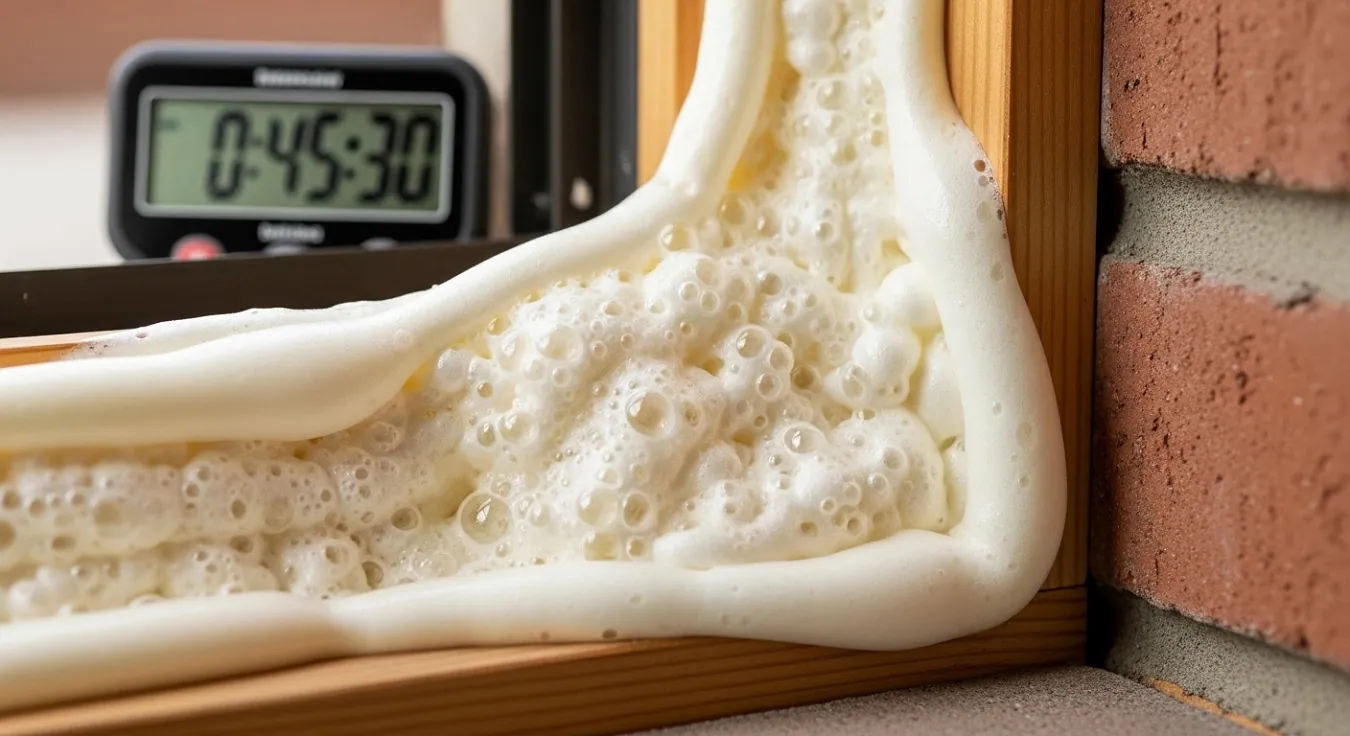
Once the protective masking is placed the rhythm of the work changes for the application crew. For the first hour you will see little change in the appearance of the wall or roof. The specialist is calibrating the Graco E-30 reactor to ensure the chemical mix is perfectly balanced. This is a strategic move to avoid future off-gassing or shrinkage of the cured material. By the second hour the Closed Cell Spray Foam Insulation is finally bonded to the substrate. This is the moment the true insulation value of the room begins to take shape.
Once the bulk is sprayed the focus shifts to the detail and trimming work. We must eliminate any over-spray to ensure a clean finish for the dry lining team. At ClearFoam Roof & Insulation we target a seamless seal during this critical stage of the build. This stops any future air leakage from ruining the energy rating of your home. The work is intensive but creates the necessary base for a high-performance living environment. Your property will regain its thermal and structural integrity through these professional methods.
Estimated Durations for Different Spray Foam Projects
Managing your time effectively requires a deep understanding of the specific building geometry and its access points. Older homes in Bournemouth often require extra care to avoid damaging the historical character of the property.
Our team evaluates the size of the area to ensure every spray pass serves a productive purpose. This careful planning prevents unnecessary waste of the high value chemical components during the installation phase.
- Standard Loft Insulation: This typically involves four hours of focused physical effort for a crew.
- Crawl Space Sealing: Expect a two-hour window for tight areas requiring specific breathing apparatus.
- Full Wall Cavity: This takes roughly six hours per floor for a flush and trimmed finish.
- Commercial Roof Reinforcement: If you are reviving a large warehouse allow two days for the work.
The exact schedule relies on the temperature and humidity of the specific job site. Traditional Closed Cell Spray Foam Insulation reacts differently in cold weather than it does in the summer. You should clear the workspace of all debris before the arrival of the team. This prevents delays caused by limited movement around the ladders or scaffolding. An expert service requires full access to all joints and eaves to ensure a total seal. This allows the specialist to work efficiently and safely throughout the day.
Determining the Best Vapour Control Strategy for Dorset Homes
The process is far from over when the foam looks solid to the naked eye. It concludes only when the ventilation paths are properly checked and confirmed as clear. The testing stage requires a period of monitoring for any heat signatures using a thermal camera. I have seen many projects fail because eave vents were accidentally blocked by expanding foam. This leads to the timber sweating and eventually rotting over a period of many years.
Selection of Appropriate Foam Density Levels
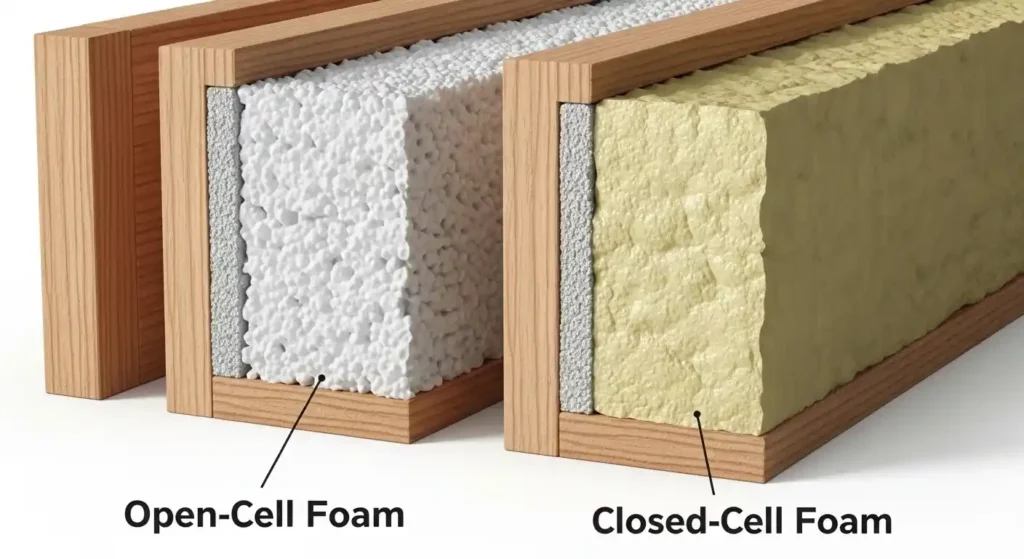
We choose between two-pound rigid foam and half pound flexible open cell varieties. This choice depends on the structural needs and the budget of the specific homeowner.
Acoustic Dampening and Sound Transmission Classes
A vital stage where we match the sound absorption needs across the interior partition walls. We ensure the noise does not create a nuisance between the different living areas.
Fire Safety Compliance and Intumescent Coatings
We clear the area before applying any required thermal barriers over the cured foam surface. This ensures no fire risk remains to ruin the safety rating of your new loft.
Final Thermal Imaging and Air Leakage Check
A quick check confirms the remaining gaps are fully sealed against the winter cold. This ensures your home is no longer at risk of heat loss through the roof.
Conclusion: Selecting the Right Insulation for Your Specific Needs
Learning about Closed Cell Spray Foam Insulation involves more than just looking at the price per metre. It is a technical engineering task that demands patience and the right choice of chemical structure. When managed by ClearFoam Roof & Insulation it avoids the cycle of recurring damp and high bills. If you contact a professional today expect a full day site survey and thermal assessment. My advice is to leave a buffer for the curing period before you start decorating. You will likely need it to address any air changes required for the new seal.
I believe that the industry will continue to move toward more sustainable and bio-based spray foam products. This shift will help reduce the carbon footprint of modern home renovations across the country. We may eventually see more smart monitoring sensors embedded in the foam layers in the future. This ensures your outdoor space remains healthy and energy efficient for decades to come. Utilizing ClearFoam Roof & Insulation ensures your project adheres to the highest quality standards available. Take these steps now to keep your property in peak condition for the future.
Frequently Asked Questions
What Is the Main Difference Between Open and Closed Cell Foam?
Open cell foam is soft and flexible like a sponge and allows moisture to pass through slowly. Closed Cell Spray Foam Insulation is rigid and acts as a built-in vapour and air barrier. This makes the rigid version much better for structural reinforcement and thin rafters. You should choose the material based on the specific moisture risk of the area you are insulating.
Is Closed Cell Spray Foam Insulation Better for My Roof?
It is often preferred for roofs because it does not absorb water and adds significant strength. If your roof has small rafters the higher R-value of closed cell allows for a thinner application. This preserves the internal height of your room while providing superior thermal protection. At ClearFoam Roof & Insulation we often recommend this for properties exposed to high coastal winds.
Does Spray Foam Insulation Cause Roof Rot in Older Homes?
Rot only occurs if the insulation is installed incorrectly without considering the necessary airflow paths. You must maintain a ventilation gap between the foam and the roof tiles to allow timber to breathe. A professional installer will use ventilation baffles to prevent moisture from becoming trapped against the wood. Following these steps ensures your roof remains dry and healthy for many decades.
How Long Does It Take for Spray Foam to Stop Smelling?
Modern foams usually finish the off-gassing process within twenty-four to forty-eight hours. You must ensure the area is well ventilated during the spray and for a short period after. Professional crews use high powered fans to clear the air quickly for the safety of the residents. Once the material is fully cured it is inert and does not produce any lingering odours.
Can I Install Spray Foam Insulation Myself with A Kit?
Small DIY kits are available for tiny patches but a full loft requires professional high-pressure equipment. The chemical balance must be perfect to ensure the foam cures correctly and does not shrink. Professional installers at ClearFoam Roof & Insulation have the training to manage the heat and pressure of the mix. This guarantees a safe and permanent bond that a small kit cannot provide.