Spray foam insulation was once promoted as the ultimate energy saving solution for UK homes, promising reduced heating bills and improved thermal efficiency. However, thousands of Bournemouth homeowners are now discovering that this modern insulation method causes more problems than it solves, leading to urgent removal requirements. From mortgage rejections and property devaluation to hidden roof damage and trapped moisture, understanding why people remove spray foam insulation helps you make informed decisions about your property’s future and protect your investment.
The Rise and Fall of Spray Foam Insulation Popularity
Spray foam insulation gained widespread popularity across Bournemouth and the wider UK during the early 2000s, marketed aggressively as an innovative solution for energy efficiency. Installers promised homeowners substantial reductions in heating costs, improved thermal performance, and minimal installation disruption compared to traditional insulation methods. The expanding liquid formula that fills gaps and creates airtight seals seemed ideal for older properties with hard to insulate roof spaces.
However, the reality has proven dramatically different for many property owners who installed spray foam without understanding the long-term consequences. Recent surveys indicate that approximately 40% of UK homeowners who installed spray foam insulation later reported serious issues related to dampness, mould growth, and structural concerns. What began as an energy saving investment has become a significant liability affecting property values, mortgage approvals, and home maintenance across Bournemouth.
Critical Problems Caused by Spray Foam Insulation
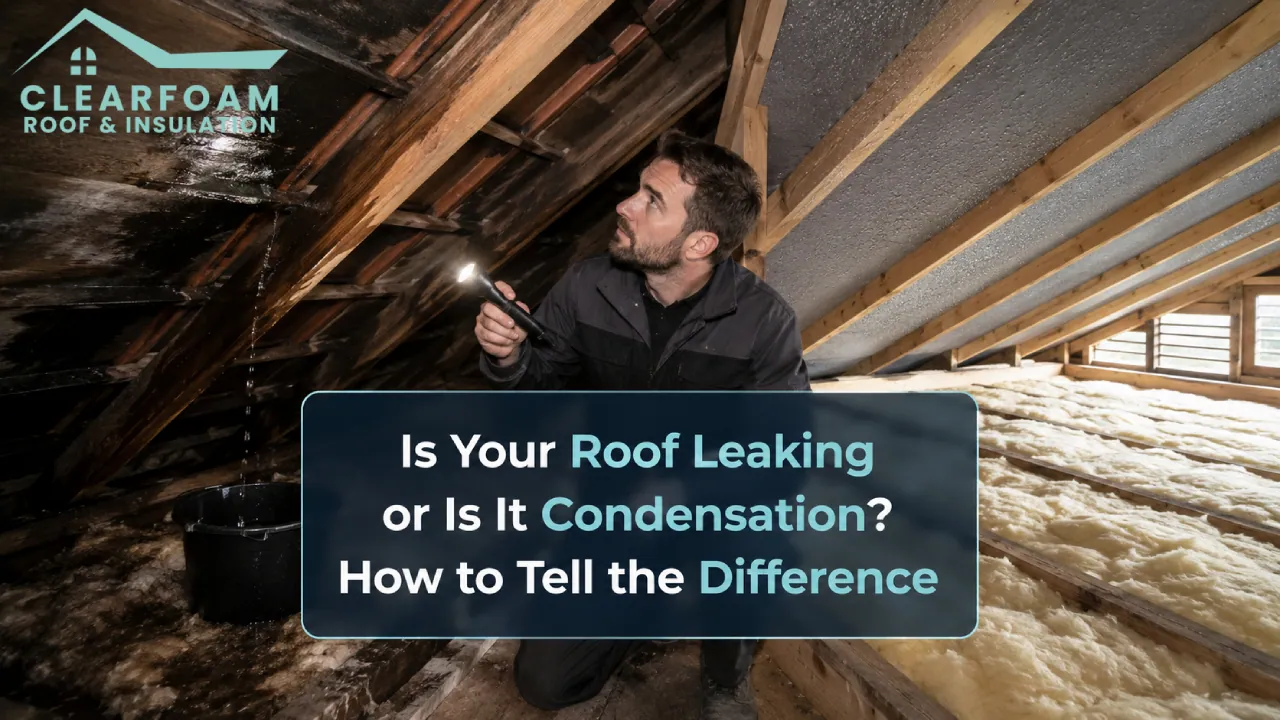
The airtight seal created by spray foam insulation blocks natural roof ventilation, trapping moisture against timber structures and preventing proper airflow. This sealed environment becomes a breeding ground for condensation, Mould, and timber decay that remains completely hidden beneath the foam layer. Homeowners often discover these problems only during property surveys or when visible damage finally appears in ceilings below.
- Open cell spray foam absorbs moisture like a sponge, creating persistent dampness and Mould growth throughout roof spaces
- Closed cell foam traps moisture against timber battens and rafters, causing slow structural deterioration over years
- The foam prevents roof inspections, making it impossible to detect leaks, damaged tiles, or deteriorating timbers
- Condensation from everyday activities like cooking and showering becomes trapped with nowhere to escape
- Timber rot develops unseen beneath foam coverage, potentially requiring complete roof replacement costing tens of thousands
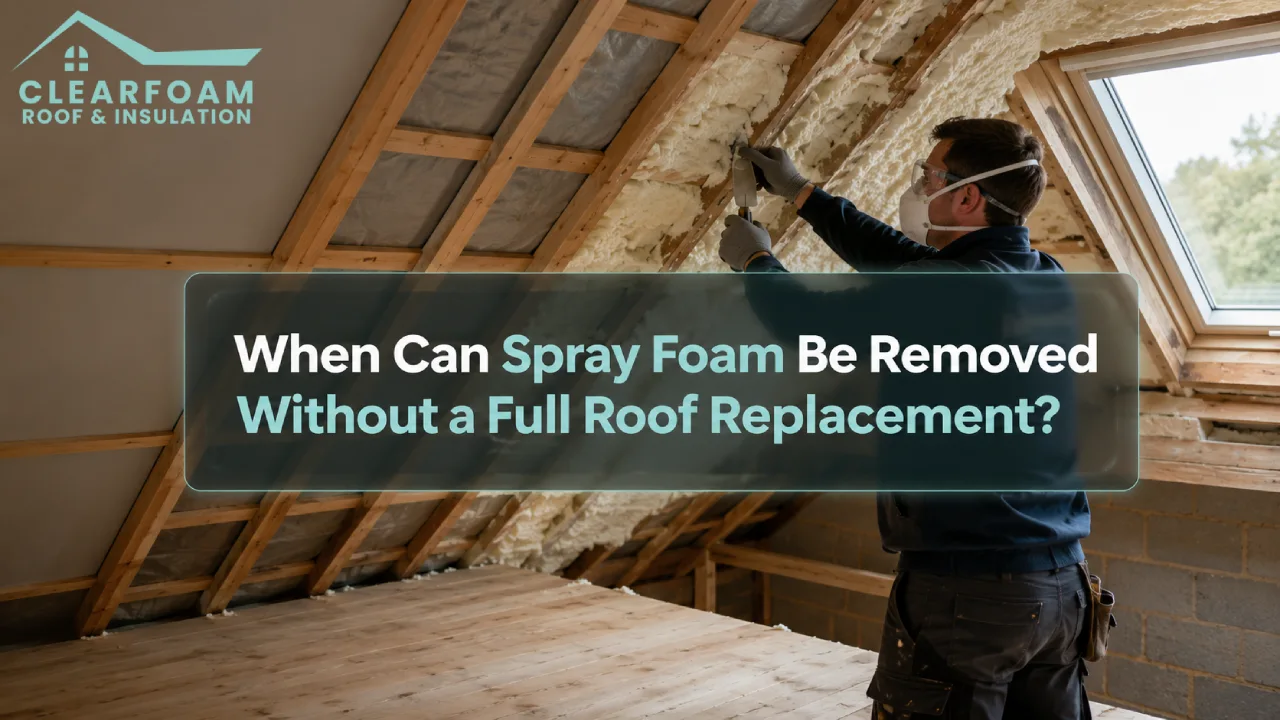
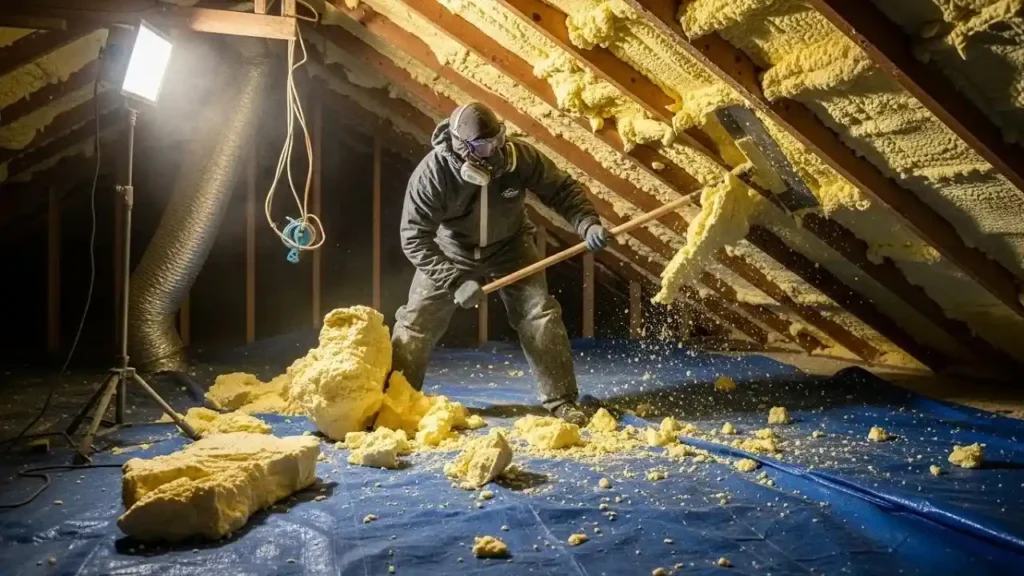
Spray Foam Removal in Bournemouth has become essential for homeowners experiencing these issues, with specialist companies like ClearFoam Roof & Insulation providing safe extraction services. Attempting DIY removal typically causes additional damage to roof timbers and creates disposal challenges for hazardous materials.
Understanding Open Cell vs Closed Cell Spray Foam Issues
Open Cell Spray Foam Problems
Open cell spray foam is lighter, more affordable, and easier to install than its closed cell counterpart, making it a popular choice for budget conscious homeowners. However, its porous structure easily absorbs and retains moisture, leading to widespread dampness problems and mould growth throughout affected roof spaces.
Closed Cell Spray Foam Challenges
Closed cell foam is denser and was marketed as a superior insulation method offering better thermal performance and moisture resistance. Despite these promises, incorrectly applied closed cell foam traps moisture against building materials, slowly damaging timber structures over extended periods.
Hidden Structural Damage
Both spray foam types prevent vital roof inspections that identify developing problems before they become catastrophic. Surveyors cannot assess the condition of roof timbers, detect water ingress, or identify tile damage when everything remains sealed beneath foam coverage.
Related Article: Can You Insure a House with Spray Foam Insulation
How Spray Foam Insulation Affects Property Values and Mortgages
The mortgage lending crisis surrounding spray foam insulation has escalated dramatically throughout 2025, with major UK lenders implementing blanket bans on properties containing this insulation type. TSB, Skipton Building Society, Halifax, Barclays, and Santander now routinely reject mortgage applications for spray foam properties or demand certified removal before processing applications. Over 80% of major lenders in the UK have issued warnings or restrictions on mortgages involving spray foam insulation according to RICS data.
Property valuations typically drop by 10% to 30% when spray foam insulation is discovered during surveys, with some properties becoming completely unmortgage able until removal occurs. Recent market analysis indicates that properties with problematic spray foam insulation faced a reduction in potential buyers by up to 30% compared to similar homes without this issue. Equity release providers now routinely reject applications for properties with spray foam, citing structural and fire safety concerns that mirror traditional mortgage lender worries.
Professional Spray Foam Removal Costs in Bournemouth
Small to Medium Property Removal Costs
Small properties like terraced houses or small semidetached homes typically require £3,000 to £6,000 for complete spray foam extraction. Standard three-to-four-bedroom semidetached or detached properties average £6,000 to £12,000 depending on roof complexity and foam type.
Large Property and Additional Expenses
Large detached houses with complex roof structures can exceed £12,000 to £20,000 for comprehensive removal including timber cleaning and preparation. Additional expenses include waste disposal fees of £500 to £2,000, scaffolding rental averaging £800 to £2,500, and potential timber repairs ranging from £2,000 to £10,000.
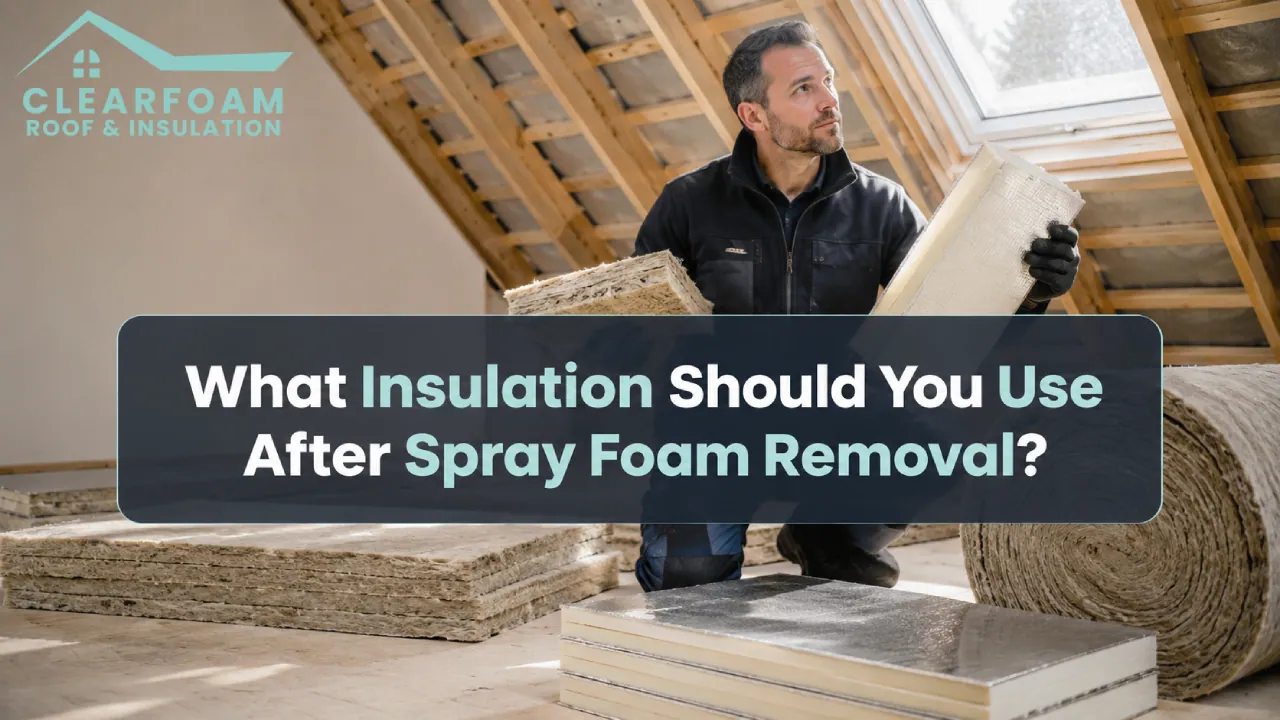
Re Insulation After Removal
Most Bournemouth homeowners choose to re insulate with mortgage lender approved materials after spray foam removal, adding £1,500 to £5,000 for mineral wool or rigid insulation boards. ClearFoam Roof & Insulation provides transparent pricing with no hidden fees, ensuring you understand exactly what’s included before work commences.
When You Should Consider Spray Foam Removal
Recognising the warning signs that indicate spray foam removal necessity prevents escalating costs and protects your property investment. Visible damp or Mould patches appearing on ceilings below your roof space suggest moisture problems developing within the foam layer. Persistent musty odours or noticeable humidity increases throughout your home indicate trapped condensation with inadequate ventilation.
- Negative feedback from property surveys highlighting spray foam as a concern or defect
- Mortgage application rejections or difficulties when attempting to sell or remortgage your property
- Planning a loft conversion or roof extension that requires accessible timber structures
- Discovering roof leaks or tile damage that cannot be properly assessed due to foam coverage
- Equity release applications being rejected due to spray foam insulation presence
Professional Spray Foam Removal restores your property’s mortgage ability, improves market appeal, and allows proper roof maintenance that prevents expensive structural damage. Early intervention through specialist removal services saves thousands compared to extensive repair work from neglected spray foam issues.
Frequently Asked Questions About Spray Foam Removal in Bournemouth
Why Are UK Homeowners Removing Spray Foam Insulation?
Homeowners remove spray foam due to mortgage rejections, property devaluation, trapped moisture causing Mould, hidden roof damage, and difficulties selling properties.
How Much Does Spray Foam Removal Cost in Bournemouth?
Removal costs range from £3,000 for small properties to £20,000 for large homes, with average pricing of £40 to £80 per square meter.
Will Removing Spray Foam Increase My Property Value?
Yes, removing problematic spray foam makes your home more appealing to buyers and lenders, improving marketability and restoring mortgage eligibility.
Can I Get a Mortgage with Spray Foam Insulation?
Most major UK lenders now reject or heavily restrict mortgages on spray foam properties, with over 80% issuing warnings or requiring certified removal.
What’s The Difference Between Open Cell and Closed Cell Foam Removal?
Closed cell foam is denser and harder to remove, typically adding 30% to 50% to removal costs compared to open cell foam extraction.
Is Spray Foam Removal A DIY Project?
No, professional removal prevents additional timber damage, ensures proper disposal, and provides lender required certification that DIY methods cannot offer.
What Insulation Should I Use After Spray Foam Removal?
Most homeowners choose mineral wool, rigid insulation boards, or natural fibre insulation costing £1,500 to £5,000 as mortgage lender approved alternatives.